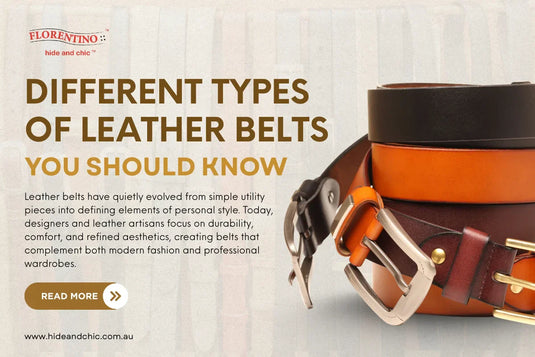
Leather belts have quietly evolved from simple utility pieces into defining elements of personal style. Today, designers and leather artisans focus on durability, comfort, and refined aesthetics, creating belts that complement both modern fashion and professional wardrobes.
Understanding the types of leather belts available helps buyers make smarter style and purchasing decisions, whether you're choosing a belt for daily wear, building a retail collection, or sourcing products for wholesale.
In 2026, global fashion markets, especially in premium leather segments, are seeing strong demand for craftsmanship, long-lasting materials, and sustainable production practices. Consumers want accessories that combine authenticity, versatility, and value.
For both shoppers and retailers, knowing the types of leather belts that dominate the market makes it easier to select pieces that truly perform in both fashion and function.
This guide explores essential belt categories, how they differ, and how to choose the right one for style, durability, and business potential.
Why Understanding the Types of Leather Belts Matters

Before diving into specific designs, it’s important to understand why knowing the types of leather belts is useful for both individual buyers and businesses.
A well-chosen belt does more than hold up trousers; it frames an outfit and reflects attention to detail. Retailers and wholesalers also rely on popular belt categories to build profitable inventory. Fashion-forward consumers now look for belts that blend craftsmanship with modern leather belt styles, ensuring versatility across casual, formal, and semi-formal wardrobes.
From classic office wear to modern adjustable designs, today’s market offers numerous types of belts for men, each serving different lifestyle needs.
Understanding the Main Types of Leather Belts

Exploring the types of leather belts helps both consumers and buyers identify which products truly deliver quality and long-term value.
Before diving into individual categories, remember that the leather grade, finishing method, and craftsmanship influence the final product as much as the leather type itself.
Common leather belt varieties include
1 Full-grain leather belts
The highest grade leather that retains the natural grain layer. Full-grain belts age beautifully and develop patina over time.
2 Top-grain leather belts
Slightly refined leather that offers a smooth, polished surface while maintaining durability.
3 Genuine leather belts
Often made from split hide layers. These belts are widely available at moderate Price ranges.
4 Suede leather belts
Soft-textured belts are commonly used in fashion-forward leather belt styles and seasonal collections.
5 Exotic leather belts
Belts crafted from specialty materials such as reptile textures, often appearing in luxury leather belt styles.
These categories represent the most recognised types of leather belts across modern fashion markets.
The key takeaway for shoppers and wholesale buyers alike: craftsmanship and leather quality determine how well a belt performs over time.
Most Popular Types of Leather Belts in Today’s Market
Fashion retailers and leather specialists typically categorise belts based on style, function, and buckle design. When people explore the types of leather belts, these are the styles they encounter most often.
Below are some of the most relevant belt categories shaping fashion and retail demand today.
1. Corporate Belts

Corporate belts are designed for business attire and professional environments. Clean lines, subtle stitching, and polished buckles make them essential accessories for office wardrobes.
Professionals often buy corporate belts that complement tailored trousers and suits. These belts typically use smooth full-grain leather, ensuring durability and a refined finish suitable for daily office wear.
Retail buyers also buy corporate belts because they remain reliable sellers across professional markets. Their timeless appeal makes them one of the most dependable options among the types of leather belts available today.
2. Knife Belts

Knife belts are traditionally designed with practical features that allow the secure carrying of tools or accessories. Outdoor enthusiasts and craftsmen appreciate the durability and structured design of these belts.
Many customers who value practicality prefer to buy knief belts that combine rugged leather construction with reliable support. These belts often use thicker leather to withstand demanding use.
Retailers catering to outdoor gear and utility fashion frequently buy knife belts for customers who prioritise function alongside durability.
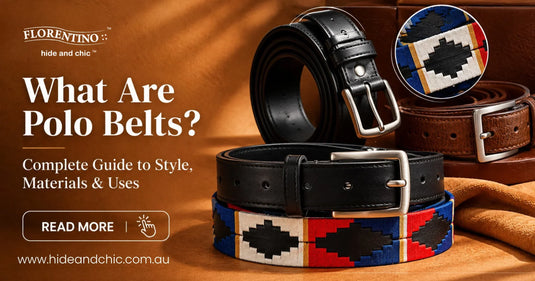
3. Polo Belts

Polo belts originated in equestrian traditions and are recognised for their vibrant woven patterns and leather backing. Today, they represent a blend of heritage and modern casual style.
Fashion-conscious shoppers often buy polo belts to add personality and colour to everyday outfits. The handcrafted patterns give these belts a distinctive appearance that stands out in casual wardrobes.
Retailers frequently buy polo belts to diversify their collections with unique designs that attract customers seeking expressive accessories.
4. Ratchet Belts

Ratchet belts represent one of the most innovative developments in belt design. Instead of traditional holes, they use a hidden track system inside the strap to allow precise adjustments for comfort.
Consumers who value convenience often buy ratchet belts because they offer flexibility throughout the day. This system also helps maintain the leather's shape over time.
Retailers increasingly buy ratchet belts as demand grows among modern professionals looking for practical yet stylish belt solutions.
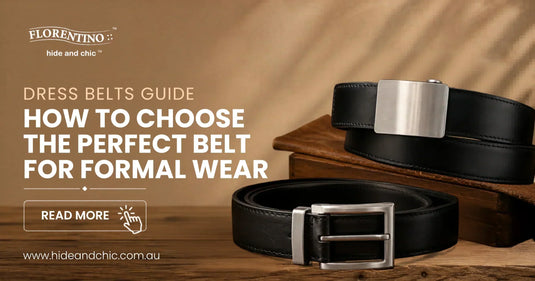
5. Dress Belts

Dress belts are essential pieces for formal fashion. They are typically slim, polished, and designed to pair with suits and formal footwear.
Professionals frequently buy dress belts to maintain a refined appearance during meetings, events, and formal occasions. These belts emphasise clean finishing and minimal design.
Fashion retailers consistently buy dress belts because they remain wardrobe staples for professionals and formalwear buyers.
6. Hobble Belts

Hobble belts have roots in equestrian traditions and outdoor utility gear. Known for their sturdy construction, these belts are designed for durability and strength.
Outdoor enthusiasts and craftsmen often buy hobble belts because they provide reliable support in demanding environments. Their design focuses on resilience and long-lasting performance.
Retailers serving outdoor markets frequently buy hobble belts to meet the needs of customers who prefer durable and practical leather accessories.
How to Choose the Right Leather Belt
Selecting the right belt depends on lifestyle, wardrobe needs, and craftsmanship quality. When evaluating the types of leather belts, consider the following practical factors.
1. Leather Quality
Full-grain leather remains the gold standard. It ages beautifully, develops character, and maintains strength over time.
2. Belt Width
Formal belts are usually slimmer, while casual belts can be wider and more textured.
3. Buckle Construction
Solid metal buckles offer better durability and visual balance. Premium leather belt styles often feature brushed or polished hardware.
4. Stitching and Edge Finishing
Well-crafted belts have clean edges and consistent stitching. This is one of the most visible signs of quality craftsmanship.
Understanding these elements helps buyers navigate the types of leather belts available in the market and choose products that last.
Sustainability and Leather Craftsmanship Trends in 2026
Modern consumers are increasingly conscious of sustainability and ethical sourcing. Leather brands are responding with improved tanning processes, responsible sourcing, and durable designs that encourage long-term use.
High-quality belts last years, sometimes decades, which significantly reduces fashion waste. Retailers also prioritise products made with careful craftsmanship, ensuring customers receive accessories that retain their appearance and strength over time.
Premium brands now combine traditional techniques with modern innovation to create leather belt styles that balance heritage and contemporary fashion.
These trends influence both shoppers and wholesale buyers exploring the types of belts for men that align with modern values.
Why Retailers and Buyers Trust Hide & Chic
Hide & Chic has built a reputation for delivering premium leather accessories that combine timeless design with reliable craftsmanship. The brand focuses on durable materials, thoughtful construction, and designs that fit modern lifestyles.
For retailers, the advantage goes beyond product quality. Hide & Chic offers collections tailored for both fashion-forward consumers and professional markets, making it easier for businesses to stock versatile types of leather belts that customers trust.
Wholesale partners benefit from consistent quality, attractive designs, and products that maintain strong demand across retail environments.
Explore Premium Types of Leather Belts with Hide & Chic

If you're looking for expertly crafted leather accessories that blend durability, style, and commercial value, Hide & Chic offers a curated range designed for both customers and wholesale partners.
Explore the latest belt collections or connect with the Hide & Chic team to discover premium options that elevate your store, brand, or wardrobe.
FAQs About Types of Leather Belts
1. How long should a good leather belt last?
A high-quality leather belt can last 5–15 years, depending on usage, leather quality, and care.
2. How do I know if a leather belt is genuine?
Look for natural grain texture, strong stitching, and solid leather edges rather than synthetic coatings.
3. Are ratchet belts better than traditional belts?
Ratchet belts offer micro-adjustments for comfort, but traditional belts remain popular for classic style.
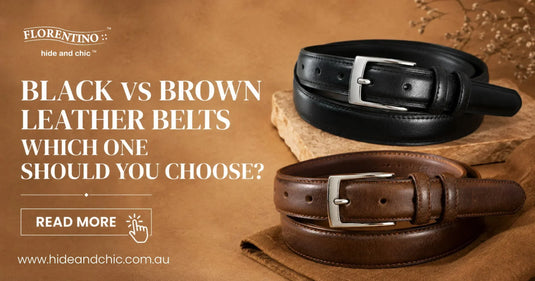
4. What belt color is most versatile?
Black and dark brown belts work with most outfits and are ideal for professional settings.
5. How should leather belts be stored?
Hang belts vertically or roll them loosely to maintain their shape and avoid creasing.